Discover the top 10 influencers who turned personal brands into real businesses - from billion-pound beverages to global fashion empires.
FROM CONTENT TO COMMERCE: WHY THE CREATOR-TO-CEO SHIFT IS REWRITING BUSINESS
The creator economy is no longer a marketing line item. It's a launchpad. The UK influencer marketing industry alone is projected to reach £2.9 billion in 2026, and the smartest influencers have worked out that promoting other people's products is only the starting point. The real money and the real staying power sit in building something of their own.
We've moved from brands renting creator audiences to influencers creating their own brands and keeping the upside. The shift from creator to CEO is rewriting who gets to build a business, how fast they can scale, and what an audience is actually worth. These ten creators show what happens when a personal brand becomes a commercial brand.
WHAT DOES IT ACTUALLY MEAN TO BUILD YOUR OWN BRAND AS AN INFLUENCER?
Putting your name on a product is not the same as building a brand. Plenty of creators license their face to a range they had no hand in shaping. The creators on this list did something harder. They built companies. There are three ingredients that separate genuine influencer-owned brands from paid endorsement.
First, built-in distribution: an existing, engaged audience that removes the single biggest cost most new businesses face, which is being discovered.
Second, trust as the product: the audience already believes the creator, so the brand inherits credibility on day one.
Third, community-driven development: the product is shaped by the audience it serves, tested in public and refined in real time.
Our criteria reflect what distinguishes genuine creator economy entrepreneurs from influencers who simply lend their names to products. Every influencer here has founded or co-founded a business that exists as a commercial entity in its own right, with revenue, retail presence or acquisition to prove it. Not a collaboration. A company.
Grace began gaining traction on social media at the age of 18 under the name GraceFitUK, sharing her fitness journey, lifestyle and experiences, which quickly lead to building a highly engaged community of over 1M Instagram followers and positioning herself as one of the UK’s most successful creator-entrepreneurs. In 2019, she founded sustainable activewear brand TALA, which generated a reported £6.2M in revenue within its first year and disrupting the traditional sportswear space with its focus on inclusivity and sustainability. Alongside TALA, Grace has launched multiple ventures including productivity brand Shreddy and authored bestselling self-development book Working Hard, Hardly Working, sharing her approach to ambition, productivity and building a career in the digital age. Her journey from creator to CEO has made Grace a leading voice in the creator economy. Grace has been featured in Forbes’ 30 Under 30 list and continues to bridge the worlds of entrepreneurship, wellness and social influence.
Patricia landed her first job when she was just 14 years old as a door to door salesperson “in posh areas”. Her work ethic and drive took her into the world of finance, landing a role at Merrill Lynch for several years before leaving to become a full time YouTuber - a risk that paid off, as Patricia became the first British black female to achieve 1M YouTube subscribers, collaborating with huge beauty brands like Dior and Mac. Combining her extensive knowledge of finance and her influential voice, in 2020 Patricia launched The Break, an online platform that provides the tools to empower young women to learn and grow in their personal and professional lives.
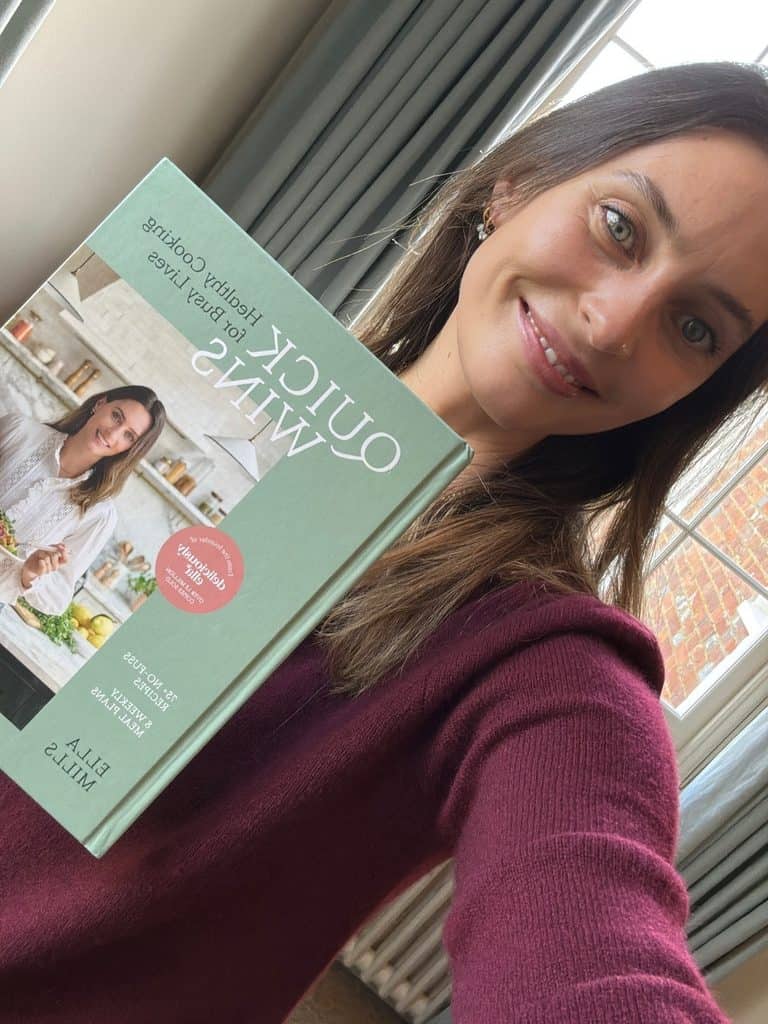
Ella began her plant-based food blog, Deliciously Ella, in 2012. By 2014, the Deliciously Ella app was launched, containing over 100 plant-based recipes, and what followed in 2016 was a nationwide launch of the Deliciously Ella food brand, initially launching in major retailers such as Waitrose and Whole Foods and including products such as a variety of snack bars, granola, and nuts. In 2024, the Deliciously Ella food brand was acquired by Swiss food manufacturer Hero Group for a reported £45M, and today, a range of over 30 products can be found in the majority of major UK food retailers and supermarkets. Ella’s new plant-based food venture, all plants, can also be found in all three major supermarkets.
Niko rose to fame on YouTube in 2014 through his bold prank and parody content, quickly building a loyal audience that has since grown to an impressive 8.8M subscribers. In 2019, he co-founded and joined creator collective Beta Squad alongside fellow YouTubers, including Chunkz and KingKennyTV, with the group now boasting over 12M followers. Recognisable for his signature sunglasses and high-energy personality, Niko has successfully expanded beyond content creation, launching vegan and halal-certified sweets brand Shades in 2025, now stocked across major UK supermarkets. That same year, he was announced as a contestant on the inaugural series of Celebrity Traitors UK, further cementing his status as one of the UK’s most influential creators.
Known as “Mrs Hinch”, Sophie Hinchcliffe first gained popularity in 2018 by sharing her home renovation journey and relatable cleaning content on social media. Within just two years, she had grown a community of over two million followers, with her content evolving into a trusted source of home organisation, cleaning hacks and everyday household inspiration. In 2019, she released her debut book, Hinch Yourself Happy, which became the UK’s second highest-selling non-fiction book of the year, with her following titles also going on to top the Sunday Times Bestseller list. Today, Sophie has built a loyal audience of over 4.8M followers and continues to expand her brand, most recently launching her own Hinch Home collection in partnership with Home Bargains.
Since launching his YouTube channel in 2008, KSI has built one of the most successful creator careers in the world. As a founding member of the Sidemen, he has amassed more than 46 million subscribers across his four YouTube channels. His influence has been widely recognised, ranking as the second most influential creator by The Sunday Times in 2019 and by Forbes in 2023. Beyond content creation, KSI has successfully expanded into multiple industries, co-founding PRIME Hydration, which is now stocked by major retailers across the UK, launching a music career that has produced 14 UK Top 40 singles, becoming a permanent judge on ITV's Britain's Got Talent and starting his own creator boxing promotion, Misfits Boxing.
Originally starting as a column for The Cut, Chicken Shop Date quickly gained momentum before transitioning to YouTube in 2014, where Amelia Dimoldenberg’s signature blend of awkward humour and candid conversations captivated a global audience. Since then, Amelia has amassed over 3.4M subscribers and interviewed some of the world’s biggest names, including Cher, Paul McCartney, Bella Hadid and SZA. Beyond Chicken Shop Date, Amelia has cemented herself as a leading figure in entertainment, being named in TIME Magazine’s ‘Top 100 Creators’ list in 2025, serving as a brand ambassador for beauty giant Olay, and hosting The Oscars’ official red carpet for three consecutive years. Most recently, she expanded her brand partnerships by becoming the face of M&S’s Love That summer collection.
Looks like I’m in the driver’s seat :) Passenger Princess with @Andrea Kimi Antonelli out WEDNESDAY 5pm x Our series is created in paid partnership between @Dimz Inc. and @Formula 1 ad
Since finishing as runner-up on Love Island 2019 and leaving the villa with an impressive 2.3M followers gained during her time on the show, Molly-Mae Hague has gone on to become one of the most successful alumni from the franchise, with her influence and impact on consumer behaviour often referred to as the “Molly-Mae effect”. Following her departure from the villa, Molly quickly secured a partnership with online retailer PrettyLittleThing, a relationship that evolved in 2021 when she was appointed Creative Director, reportedly becoming one of the most lucrative influencer brand partnerships in the UK. Since then, Molly has continued to build her own business empire, launching fashion label Maebe in 2024, with its debut collection selling out within just 24 minutes. Her transition from creator to CEO reflects how personal influence can become a scalable business with its own identity. Alongside her entrepreneurial ventures, Molly has expanded her presence in entertainment through her documentary series Molly-Mae: Behind It All, which won Best Authored Documentary at the 2025 National Television Awards.
Joe Wicks built his following on free, high-energy home workouts, most notably "PE with Joe," the daily lockdown sessions that drew millions of viewers and earned him an MBE. Under The Body Coach, he turned that audience into a genuine business: bestselling cookbooks including Lean in 15, which has sold more than three million copies, and a subscription fitness app that passed one million downloads within its first year. The brand now spans books, on-demand coaching and product partnerships, all built on the same free content that brought his audience in to begin with. Joe's route from personal trainer to founder shows how trust and consistency, given time, can support a business that outlasts any single campaign.
Jess Hunt is a British fashion and beauty creator who built a loyal following through her signature minimalist aesthetic, natural beauty content and effortlessly curated style. After growing one of the UK's most influential Instagram audiences, she went from creator to CEO by co-founding beauty brand REFY in 2020, launching the viral Brow Sculpt before expanding into a globally recognised cosmetics and skincare brand stocked by major retailers including Sephora and Selfridges. Today, she's recognised as one of the UK's leading influencer-turned-entrepreneurs, successfully transforming her personal brand into a thriving beauty business.
WHAT THESE CREATOR BRANDS TEACH US ABOUT MODERN MARKETING
There's a pattern in every story on this list, and it's worth paying attention to if you're a brand.
Audience trust is the asset. Each of these creators built something people believed in before they ever sold anything. The product came second. That order matters. Brands spend fortunes trying to manufacture the trust these creators already had, and it's the reason their businesses scaled so fast.
Distribution beats advertising. Grace Beverley didn't need a media budget to launch TALA. Her audience was the media plan. When you own the relationship with your customer, you own the most valuable part of the funnel.
Community shapes the product. The best influencer-owned brands aren't built in a boardroom. They're built in the comments, the DMs and the polls. That feedback loop is a competitive advantage most traditional businesses can only envy.
The lesson for marketers isn't to copy the creators. It's to work with them properly, treating them as brand-builders rather than billboards, and to bring that same audience-first, trust-led thinking into how you build your own brand. That's the shift, and it's the work we do every day.
Discover the top 10 luxury influencers driving brand equity for high-end labels. From luxury fashion to lifestyle, these creators command premium rates - and deliver.
Discover the top 10 micro-influencers punching above their weight, driving outsized engagement and reshaping influence across digital platforms.
16 September 2026
7 MIN READ
YOU'VE GOT QUESTIONS.
WE'VE GOT THE ANSWERS.
How do creators go from influencer to CEO?
Usually in three moves. They build a highly engaged audience, they identify a genuine gap their community actually wants filled, and they launch a product that gives that audience a reason to buy rather than just watch. The audience provides instant distribution and trust, which removes the two hardest hurdles any new business faces. From there it becomes a question of operations, supply chain and team, the same as any company. The creators who make the leap treat their business like a business, not a merch drop.
Are influencer brands sustainable long-term?
The strongest influencer-owned brands are, because they're built on genuine demand rather than a moment of hype. TALA, REFY and Deliciously Ella have all outlasted their launch buzz by solving a real need and building products people repurchase. The ones that struggle tend to rely on the creator's fame alone. Sustainability comes from the same fundamentals as any business: a good product, a loyal customer base and a reason to exist beyond the founder's follower count.
What industries are creator brands disrupting most?
Beauty, food and drink, fashion and wellness lead the way, because they're high-frequency, visually native categories where trust and community drive purchase. Think REFY in beauty, PRIME and Deliciously Ella in food and drink, TALA in activewear and Maebe in fashion. These are sectors where a creator's aesthetic and audience translate directly into product demand, and where the gap between recommendation and purchase is shortest.
How can brands partner with creator-founded businesses?
Carefully, and as equals. The creators who've built real businesses aren't looking for a quick sponsorship cheque. They want partners who respect what they've built and can add genuine value, whether that's distribution, expertise or reach into new markets. The brands getting it right treat these creators as commercial peers and co-owners of the outcome, not as media placements. Start with what the creator's audience actually wants, and build the partnership around that.



 7 MIN READ