What is a content creator? Learn how the creator economy works, how creators make money, and why brands are investing heavily in creator-led marketing.
You’ve heard the terms influencer and content creator used interchangeably, but what exactly is a content creator? And if everyone can access social media and post their latest meal, surely that means we’re all content creators by now?
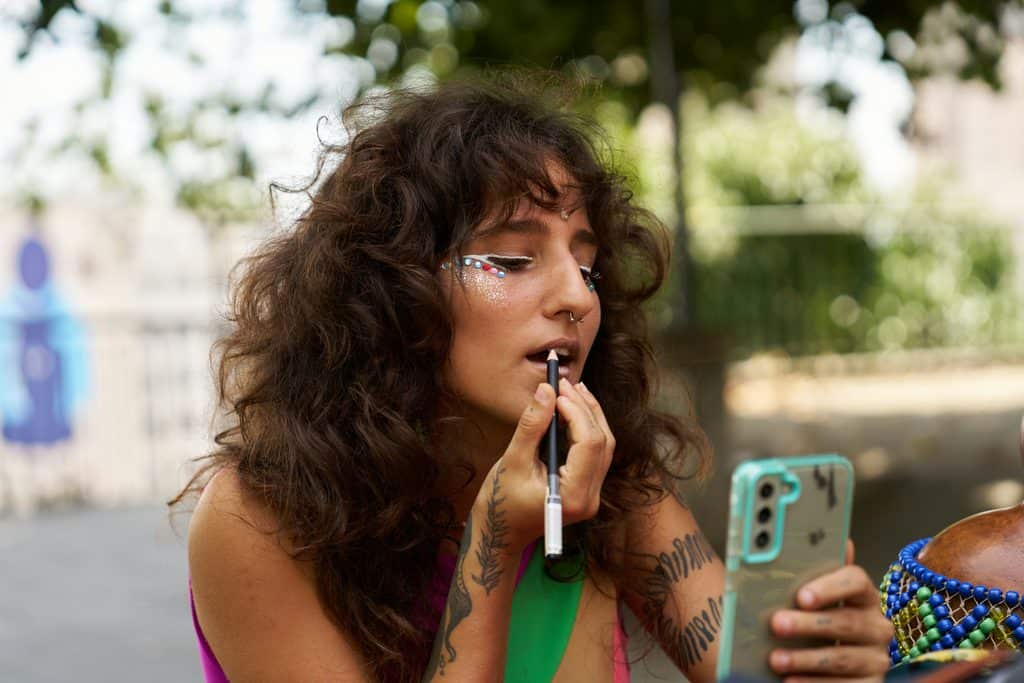
By definition, a content creator is someone who produces media for an online audience. Video, photo, audio, newsletters, blogs, special effects, AI art, you name it, they’re doing it. Usually as a one-man band. Together, creators, platforms, audiences and the money flowing between them make up the creator economy.
In this digital landscape, creators matter because they’re no longer just people with social feeds. Increasingly, they are becoming the media and the studio.
What Is a Content Creator?
A content creator is someone who consistently creates content with the goal of building a following, platform and income.
Not long ago, someone who wanted to make media for a living needed a publisher, broadcaster, or film studio backing them. Social media changed that. Today, a content creator can find the people interested in what they have to say, build an audience around it and publish directly to them. And as that audience grows, so can the business around them.
That doesn’t mean every person who posts online is necessarily a social media content creator. Creators publish typically around an interest, skill, point of view or form of entertainment or education that gives people a reason to come back.
And they don’t all look the same:
Short-form creators make content designed for social feeds. Platforms: TikTok, Instagram.
Long-form creators create detailed videos for longer viewing and body doubling. YouTube has replaced TV in many households. Platforms: YouTube, Twitch.
Podcasters build audiences around conversations, expertise, interviews and audio storytelling. Platforms: Spotify, Apple Podcasts, YouTube.
Newsletter writers and bloggers have taken independent publishing into their own hands, building direct relationships with readers around their interests. Platforms: Substack, Beehiiv, personal blogs.
UGC creators specialise in creating social-first content for brands for paid social use. They don’t need a large audience of their own. Platforms: TikTok, Instagram
What Is the Creator Economy?
It’s now an economy that grows rapidly each year. Research puts the global market at USD $252.3 billion in 2025, growing to USD $310.4 billion in 2026. Social media content creators sit at the centre of it, but they are only one part of a fast-moving system.
There are the platforms they publish on, the audiences consuming their work, the subscription and publishing tools that help them monetise it, the brands paying to reach their communities, and the growing teams behind successful creators. Not to forget the host of tools such as design and analytics platforms.
Creators keep the money moving by commissioning people and tools that help them produce more content and grow. Creators are also building the value of publishing platforms, they give people a reason to open an app, stay there and come back.
That is what makes this an economy rather than simply another media trend.
Why Is the Creator Economy Growing So Fast?
The gatekeepers disappeared Social media removed the traditional gatekeepers. You no longer needed an editor-in-chief to decide if your idea deserved an audience. YouTube's launch in 2005 meant you could make something, post it online, and let the audience decide. The power has been redistributed and democratised.
Every interest has a corner now People found each other online because of this. We find our corners of the internet amongst people who share our interests. Around gaming, fashion, beauty, tech, food, sport, books, parenting, money, almost anything you can imagine and sometimes things you wouldn’t believe existed.
A different kind of relationship Audiences simply have a different relationship with creators than they would with a journalist or a celebrity. A food creator brings you into their kitchen. A gamer brings you into hours of their day. A fashion creator shows you what they wear, where they shop, and where they go. Educational creators bring voice, personality and point of view into every piece.
Attention is a two-way trade Over time, that can create different levels of parasocial connection between audiences and creators. However, it goes both ways. Audiences get great content; in return, creators get attention, loyalty, and the audience that gives them their platform and earning power. Brands and traditional advertising struggle to recreate that relationship from scratch.
Individuals as media properties Now individuals can build media properties around themselves without owning a television network, magazine, or production company. The biggest creators no longer simply post content and occasionally accept a sponsorship.
Creator vs Influencer: What’s the Difference?
A content creator is content-first. Their value begins with what they make.
An influencer is influence-first. Their value is tied more directly to their ability to affect an audience's behaviours, opinions, or buying decisions.
There is, of course, plenty of overlap.
A YouTuber known for making brilliant documentaries might also influence what their audience buys. A fashion influencer may spend significant time producing highly creative content. Many people are both, but not all content creators are influencers.
A creator with a relatively small following can still be extremely valuable if the content itself is good. Their work doesn’t need to look like a major advertising production. It needs to do its job. It might tell a story incredibly well, explain something clearly, entertain people or make somebody stop scrolling. Audience size is one measure of creator value; it isn’t the only one.
Why Are Brands Investing So Heavily in Creators?
Creators offer brands something hard to find elsewhere - creative capability, distribution and audience understanding, all in one partnership. Here's where that shows up most:
Why Creator Content Often Outperforms Brand Content
Creators act as external creativity engines for brands who understand their audience because they simply speak their language fluently. There is no second-guessing. Not only that, but they spend time understanding what works on the platforms just by consistently posting content and seeing what gets picked up by the algorithm. The best creator content feels like it belongs in the environment where somebody encounters it.
Wizz Air’s Campaign shows the gap in practice: creator-led content that ignited the internet, driving millions of views and multiple award wins. A resized ad campaign wouldn't have delivered the same result.
How Creators Drive Discovery and Social Commerce
Creators are also gateways into communities, those corners of the internet we spoke about, because they are part of those communities themselves. This is where development of internet culture happens. And since brands are rarely the originators of culture, more often, they are adopted into culture by the people already shaping it. The creator already understands the people on the other side of the screen. They know the jokes, references, frustrations, language and behaviours of that corner of the internet because they participate in it too.
Our work with Vinted put this to the test. Creator partnerships drove new listings and built sustainable selling habits among an audience that trusts creators over adverts.
Why Long-Term Creator Partnerships Matter More Than One-Off Campaigns
The most believable and strongest brand partnerships should feel like they belong there. A creator’s content is intertwined with their identity, interests and everyday life; therefore, brand partnerships should integrate into their world.
Estrella Damm's partnership with Disrupt built awareness of its Barcelonian heritage through repeated creator relationships, not a single push. That repetition is what turns a creator into a credible source rather than a paid mention.
For brands, this is where creator-led marketing becomes more interesting than simply buying another media placement. Creators aren’t just channels carrying somebody else’s message; they take a brand’s message and make it make sense to the people.
What Does the Future of the Creator Economy Look Like?
The creator economy has already blurred the lines between individual, publisher, production company and media owner. Those lines are likely to blur even further.
AI is giving creators new ways to make, edit and scale content. Creators are also finding more ways to own the relationship with their audiences rather than relying entirely on social platforms.
If creators increasingly operate like media businesses, brands need to start treating them like so: as creative partners, audience experts and cultural collaborators rather than simply rented reach.
Discover the top 10 influencers who turned personal brands into real businesses - from billion-pound beverages to global fashion empires.
09 September 2026
10 MIN READ
YOU'VE GOT QUESTIONS.
WE'VE GOT THE ANSWERS.
What platforms are best for content creators?
The right platform depends on the audience and the format. TikTok and Instagram Reels suit short-form video and discovery. YouTube suits long-form content and search-driven views, while LinkedIn suits B2B audiences and expert commentary. Most creators run two or three platforms well rather than spread thin across five.
Is the creator economy still growing?
Yes. Market estimates vary by source and methodology, but every major tracker points to sustained double-digit annual growth through the early 2030s, driven by brand budgets shifting toward creator-led channels. Disrupt tracks these shifts closely to keep client strategy ahead of the platform.



 9 MIN READ