
logo-head-img

You Don’t Have to Be a Sports Brand to Win the World Cup. Here’s How Any Brand Can.

9 MIN READ
LAST UPDATED ON: 02 April 2026
The World Cup marketing opportunity isn’t just for sports brands. Learn how any brand can win by tapping into culture, behaviour, and fan moments.

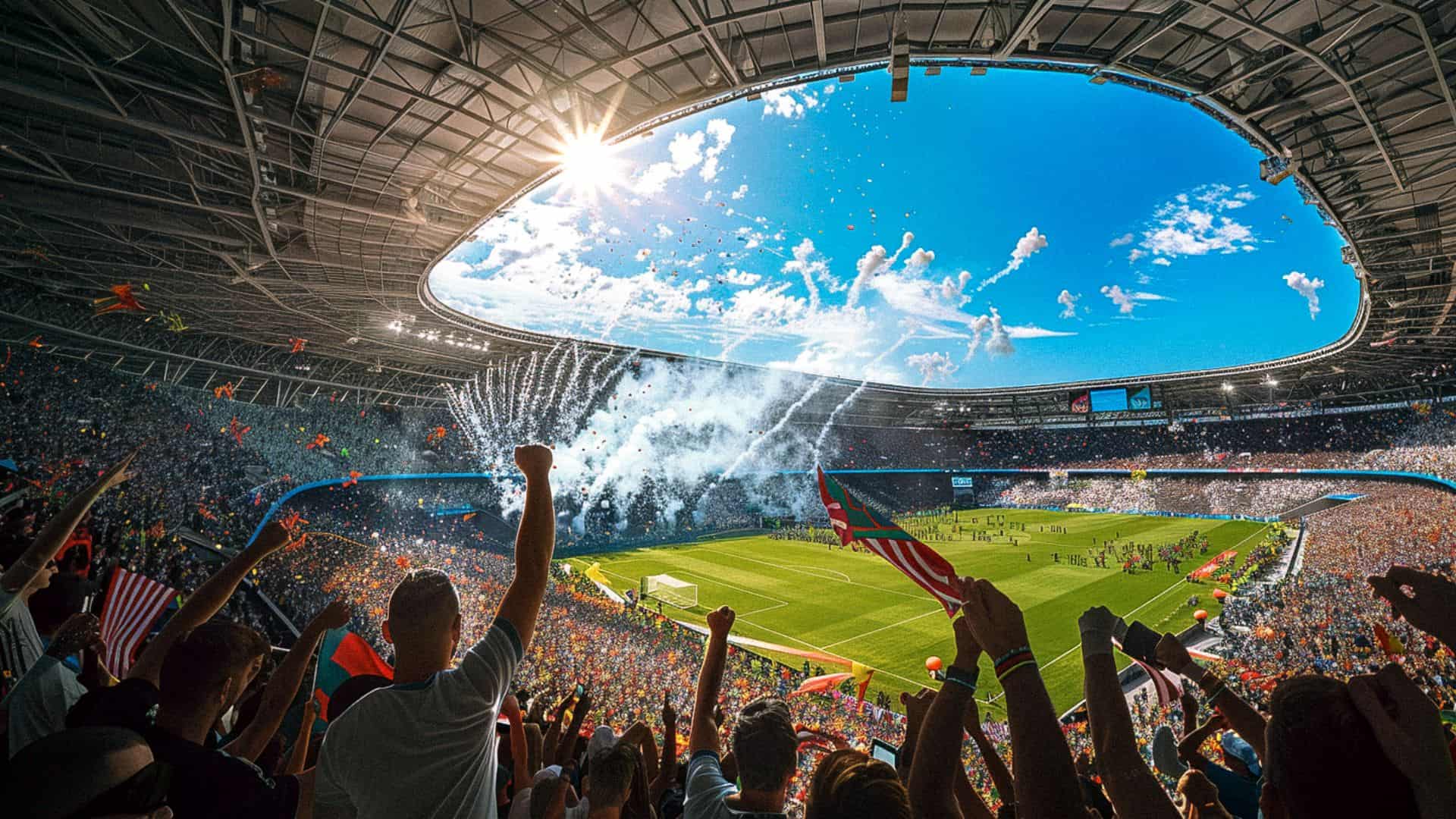
Every four years, the World Cup reorganises where the world's attention goes. It is one of the most concentrated windows of consumer attention available to marketers anywhere in the calendar. And it is not just reserved for sports brands.

That should be obvious. But for a lot of marketing teams, the instinct when a major sporting event arrives is to self-select out. ‘Football is not our space’, ‘our audience isn’t really a sports audience’, ‘we don’t have the budget for this kind of moment’. They’re approaching this golden opportunity all wrong, and it causes brands to sit out one of the biggest windows of opportunity of the decade.

Sport does not belong exclusively to sports brands. The World Cup belongs to anyone whose customers eat, drink, socialise, travel, get dressed, or scroll their phone. Which is to say: everyone.

The moment is bigger than the sport

Over six billion people are expected to engage with the 2026 tournament in some form. According to FIFA, that makes it the largest sporting event in history. 48 teams. 104 matches. 16 host cities across three countries.

But what does that actually mean for a brand that sells food, fashion, technology, or anything outside of football?

It means that for a month, the World Cup becomes the cultural backdrop to everyday life. Watch parties replace regular evenings. Group chats go into overdrive. Supermarket baskets change. Streaming habits shift. GWI data shows that 82% of fans buy snacks on a monthly basis and 76% order food delivery via mobile during matches. These are not football behaviours. They are everyday consumer behaviours that happen to intensify around football.

The brands that win are not the ones with the most direct connection to the sport. They are the ones that show up in the moments around it.

Why most non-sport brands hesitate

The concern is understandable. Sport can feel like someone else's territory. There is anxiety about misalignment with fans, confusion around FIFA's IP rules, and a fear of looking opportunistic.

But that hesitation is usually based on a misreading of what the opportunity actually is. Brands do not need to position themselves as football brands. They need to position themselves as part of the world football fans inhabit.

The distinction matters. Frito-Lay recently upgraded to a global World Cup 2026 sponsorship, not because crisps have anything to do with football, but because match viewing and snacking are the same behaviour at the same moment. Bank of America became FIFA's first-ever global banking sponsor for the same reason: the tournament is a commercial moment, not just a sporting one.

Official sponsorship is one route in. Influencer marketing is another, and for brands without a nine-figure budget, it is undoubtedly the more effective one.

Creator marketing removes the barriers

The reason influencer marketing works so well for non-sport brands during major tournaments is structural. Creators already have permission from their audiences. They already live in the culture around football; the lifestyle content, the matchday routines, the fan reactions, the food and social occasions that surround the game.

A food brand doesn’t need to talk about football to be relevant during the World Cup. It needs a creator whose audience trusts them, talking about something that naturally intersects with how fans experience the tournament.

TikTok's first-of-its-kind deal with FIFA makes it the tournament's preferred platform, and as TikTok's global head of sports partnerships notes, it will unlock conversations that move well beyond the 90 minutes. That is where lifestyle, food, fashion, and culture brands have room to move. The feed will be full of World Cup content. The brands that belong in it are the ones whose creators make them feel like they were always going to be there.

81% of UK brands plan to increase their influencer budgets in 2026, according to data from Kolsquare. The competition for creator attention is going to be fierce. The brands that start building those relationships now will have a meaningful head start.

Not a sports brand but want to show up for the World Cup? See how Disrupt helps brands enter sport authentically.

The industry verticals with the most to gain

The World Cup does not just affect how people watch football. It affects how they shop, eat, travel, dress, and socialise. Across the month of the tournament, several categories see material shifts in consumer behaviour.

Food and drink. The data is unambiguous on this. Match viewing is a social occasion which naturally involves food and the odd beverage, and brands that can own a moment in that ritual, whether it is the pre-match shop, the snack spread, or the delivery order, have enormous access to a commercially engaged audience.

Fashion and lifestyle. Tournaments have always influenced what people wear. The 2026 tournament is particularly significant for fashion because the "blockcore" trend has already turned football kits into everyday lifestyle pieces, with jerseys functioning as fashion items well beyond matchday. Lifestyle creators who speak to that intersection already have audiences primed for it.

Tech and telecoms. Verizon's entire World Cup positioning is built not around football itself but around connectivity, the infrastructure of how fans experience the tournament. Any brand that touches how people watch, share, or participate in the moment has a credible entry point.

Travel and experience. Sports fans are 41% more likely than average consumers to express interest in travel, and 31% took one to two foreign vacations in the last 12 months. The World Cup drives trip planning, group travel, and experience spending. Travel brands that activate through creators during the tournament are speaking to an audience already in a high-intent mindset.

What this means for brands

The brands that navigate this well share a common approach. They do not try to become football brands. They find the natural overlap between what they do and how fans live during the tournament, and they find creators who already exist in that space.

The brief changes too. Rather than asking a creator to talk about football, the question becomes: what part of the World Cup experience does your brand genuinely belong in? The watch party. The matchday meal. The tournament outfit. The group chat. The travel plan. Each of these is a real consumer moment with real commercial intent, and creators who naturally occupy those spaces can make brand presence feel earned rather than forced.

Messaging aligned with genuine cultural moments drives significantly stronger brand recall and engagement than campaigns that sit outside the cultural conversation. The World Cup is the largest cultural moment available to marketers in 2026. The question isn’t whether your brand belongs in it. The question is where, and how.

The window is shorter than you think

The tournament runs from the 11th June to the 19th July. But the cultural build-up is already underway. Brands that wait until June to activate will be competing in the noisiest possible window, against official sponsors with months of runway already behind them.

The advantage available to non-sport brands right now is timing. Creator relationships built ahead of the tournament carry more credibility than ones assembled in the campaign window. Audiences can tell the difference between a brand that was always going to be part of this moment and one that switched on when the fixtures dropped.

The brands that will look like they belong will be the ones who started early, chose creators who already lived in the right spaces, and built content that made their presence feel natural. Not forced. Not opportunistic. Just there.

That is how brands outside sport win the World Cup. Ready to get started? Get in touch with the Disrupt team today.


Disrupt is The Genuine Influence Agency. A London-based influencer and creator marketing agency working with brands including The FA, England RFU, Netflix, Vinted, Wizz Air, and Huel. Part of Tomorrow Group alongside Found, Braidr, and Seed Studio.

let's keep reading
related articles
Explore leading UK social media marketing agencies offering expert social strategy, content creation & growth solutions for businesses of all sizes.
31 March 2026 12 MIN READ
How do premium brands scale through creators without losing what makes them special? Disrupt took to Advertising Week Europe with Bremont Watches and Vinted to find out.
30 March 2026 7 MIN READ
Discover how creators grow and monetise on Substack in 2026, and why it's where real brand opinions are being formed. Don't be left out.
24 March 2026 10 MIN READ

YOU'VE GOT QUESTIONS.

WE'VE GOT THE ANSWERS.

How can non-sports brands benefit from the World Cup?

Non-sports brands benefit from the World Cup by showing up in the moments around the sport rather than the sport itself. The tournament reorganises how millions of people spend their time for an entire month, creating measurable shifts in how they eat, drink, socialise, shop, travel, and consume content. Brands in food and drink, fashion, lifestyle, tech, and travel all have natural entry points into fan behaviour during the tournament. Creator marketing is the most effective route in, because creators who already exist in relevant fan spaces can make brand presence feel earned and natural without requiring any direct association with football.

Why should non-sports brands invest in World Cup marketing?

The World Cup is one of the most concentrated windows of consumer attention available anywhere in the calendar, with over six billion people expected to engage with the 2026 tournament. For non-sports brands, the opportunity is not the sport, it is the audience behaviour that surrounds it. GWI data shows that 76% of fans order food delivery via mobile during matches and 82% buy snacks monthly, illustrating how everyday consumer categories sit at the centre of how people experience the tournament. Brands that activate during this window, through the right creators and the right moments, reach a commercially engaged audience at a point of heightened attention and intent.

What industries benefit most from World Cup marketing?

The industries with the most to gain are those whose products or services intersect with how fans actually experience the tournament. Food and drink brands benefit from the social eating and drinking occasions that define matchday viewing. Fashion and lifestyle brands have a clear entry point as football culture increasingly influences everyday style. Tech and telecoms brands connect through how fans watch, share, and participate in the tournament. Travel brands speak to an audience already in a high-intent mindset, given that sports fans are 41% more likely than average consumers to be interested in travel. FMCG, beauty, and home brands also have strong opportunities through the social rituals and watch party occasions that build throughout the tournament.

How does the World Cup impact consumer behaviour?

The World Cup creates a sustained shift in consumer behaviour across the full month of the tournament. Social occasions increase as fans gather to watch matches. Food and drink purchasing patterns change, with snacking and food delivery spiking around fixtures. Fashion choices shift as football culture moves into everyday style. Screen time and platform usage intensify, with 93% of fans planning to second-screen the tournament and social media becoming the primary content destination for younger fans. Purchasing decisions are also influenced more heavily by creators and peer recommendation during this period, as fans seek out content and brands that feel part of the moment they are already invested in.

How can brands connect to the World Cup without talking about football directly?

Brands connect to the World Cup without talking about football by finding the cultural and lifestyle moments that surround it. The watch party. The matchday meal. The tournament outfit. The group chat. The travel plan. These are all genuine consumer occasions that intensify around the tournament and that creators in food, fashion, lifestyle, and other categories naturally occupy. The brief is not to produce football content — it is to produce content that belongs in the world fans inhabit during the tournament. Creators who live in those spaces already have the audience permission to make brand presence feel natural. The brand does not need to mention a single player or scoreline to be relevant.

When should brands start planning World Cup marketing campaigns?

Brands should begin planning and building creator relationships well ahead of the tournament, ideally several months before the opening fixture. The 2026 World Cup runs from 11 June to 19 July, which means the planning window is now. Creator partnerships established before the tournament carry significantly more credibility with audiences than those visibly assembled for the campaign period. Brands that start building content in the lead-up phase also benefit from the cultural build-up around qualification, squad announcements, and pre-tournament conversation, all of which drive significant audience engagement before a ball is kicked. The brands that look like they belong in the moment are almost always the ones who started early.